
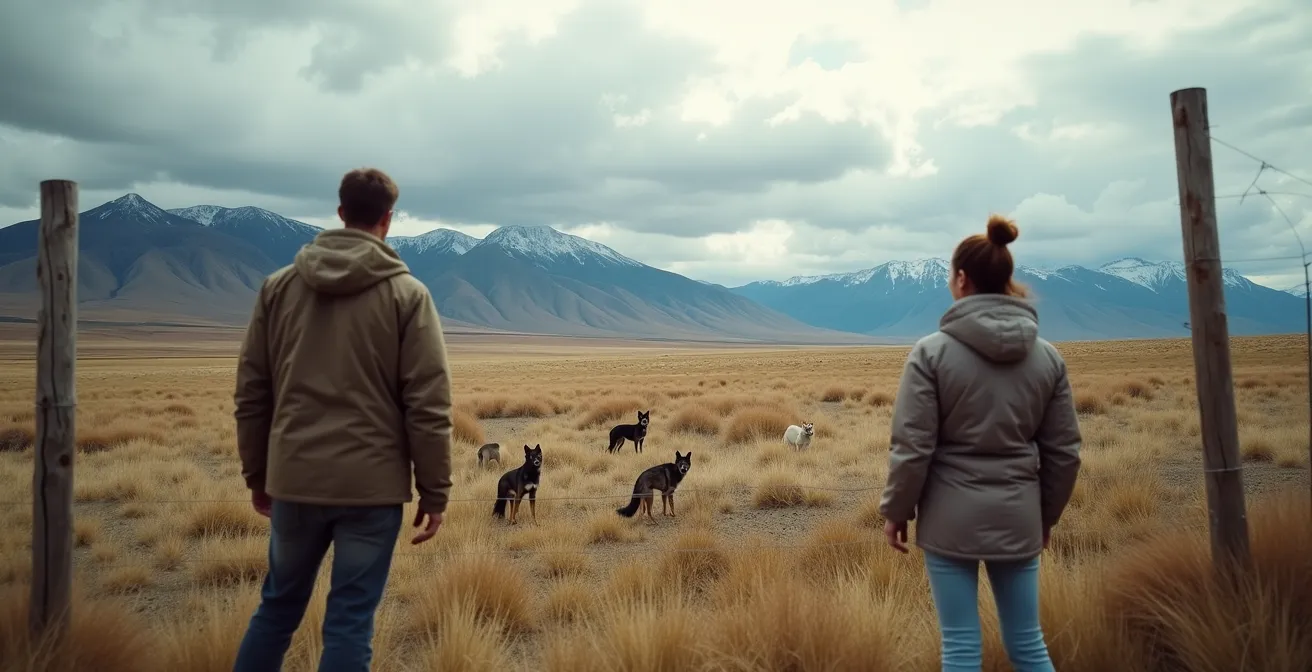
Visiting Yamnuska is exceptionally safe precisely because its rules are designed to prioritize the animals’ welfare over visitor convenience.
- Wolfdogs are not domestic pets; their genetic “content” dictates their complex behavioural needs, making visual classification essential for their care.
- The sanctuary is a necessary response to the illegal wolfdog trade, and your entry fee directly funds their complex care, enrichment, and specialized enclosures.
Recommendation: To have a truly meaningful experience, visit with an understanding of your role as a respectful observer whose presence and financial contribution are vital to the sanctuary’s mission.
The question of safety is often the first thing that comes to mind when considering a visit to a place like the Yamnuska Wolfdog Sanctuary. Nestled in the foothills of the Rockies near Cochrane, Alberta, the sanctuary offers a rare glimpse into the world of these magnificent canids. For many animal lovers, however, the desire to see these creatures is tempered by a crucial concern: is this experience ethical, and is it genuinely safe for both me and the animals? It’s easy to find places that offer close encounters, but discerning a true sanctuary from a roadside attraction can be difficult.
Most discussions about safety focus on fences and rules. While important, this perspective misses the fundamental point. The safety of a visit to Yamnuska isn’t just about physical barriers; it’s a direct result of a deeply considered operational philosophy. The key lies not in asking *if* it’s safe, but in understanding *why* it’s safe. The answer is found in the concept of ethical containment—an environment where every rule, every enclosure design, and every visitor interaction is meticulously crafted around the biological and psychological needs of the resident wolfdogs.
This article moves beyond a simple review. We will explore the core principles that govern the sanctuary, from the science of identifying wolf content to the economics of rescue operations. By understanding the “why” behind the rules, you’ll see that a visit to Yamnuska is more than just a tour; it’s a lesson in responsible wildlife stewardship and a direct contribution to a vital conservation mission. You’ll learn why these animals need rescuing in the first place and how your visit plays a crucial role in their ongoing care.
This guide will walk you through the essential aspects of the sanctuary’s operations. By understanding the complexity of the animals and the purpose behind the facility’s rules, you will be fully prepared for a visit that is not only safe but also deeply enriching and ethically sound.
Summary: Yamnuska Wolfdog Sanctuary: A Guide to an Ethical Visit
- High Content vs Low Content: How to Tell a Wolf from a Husky?
- Saving the Swift Fox: How Did This Sanctuary Bring a Species Back?
- Why You Should Never Buy a Wolfdog as a Pet?
- Where Does the Entry Fee Go: Food or Facilities?
- Fences and Fur: How to Photograph Sanctuary Animals Ethically?
- Range Riders vs Traps: How Ranches Manage Wolves Without Killing Them?
- Moose or Elk: Which Massive Animal is Standing in the Marsh?
- Stopping for Bears: Why Your Hazard Lights Create a Dangerous Traffic Jam?
High Content vs Low Content: How to Tell a Wolf from a Husky?
One of the most fascinating aspects of Yamnuska is the concept of “content” level, which is central to how the sanctuary operates. Unlike telling a Poodle from a Golden Retriever, distinguishing a wolfdog from a husky-like dog is a complex task based on a spectrum of traits. The terms high-content, mid-content, and low-content refer to the degree of wolf-like characteristics—both physical (phenotype) and behavioural—an animal displays. A high-content wolfdog will have the long legs, narrow chest, and seasonal coat of a wolf, along with the shy, neophobic (fearful of new things) behaviour typical of a wild canid. A low-content animal may look more dog-like and be more comfortable around humans.
This classification is not a guess; it’s a crucial assessment performed by experienced staff. According to experts, there is no genetic test that can determine the percentage of wolf or dog DNA within a wolfdog. Therefore, the sanctuary relies on careful observation of mannerisms, body language, and interaction with the environment. This behavioural spectrum is the cornerstone of their care strategy. High-content animals require larger, more complex enclosures and minimal human interaction to thrive, while low-content individuals might tolerate a bit more proximity.
Understanding this is vital because the stakes are incredibly high in Alberta. Misidentification can be a death sentence for these animals. Due to the challenges of containing and caring for them, provincial regulations are strict. In fact, it is a sobering reality that 100% of wolfdogs that end up in Alberta shelters must be destroyed by law. This makes the expert classification and secure environment provided by sanctuaries like Yamnuska not just a service, but a life-saving necessity. The sanctuary provides a permanent, safe home for animals that have nowhere else to go.
Saving the Swift Fox: How Did This Sanctuary Bring a Species Back?
Visitors with a keen knowledge of Alberta’s conservation history might notice that the Yamnuska Wolfdog Sanctuary occupies a site with a significant legacy. Before it was dedicated to wolfdogs, the facility was home to the Cochrane Ecological Institute, which ran a world-renowned captive breeding program for the swift fox. This species was once extirpated (locally extinct) from the Canadian prairies. The program at this very location was instrumental in re-establishing a wild population, a major conservation success story for Alberta.
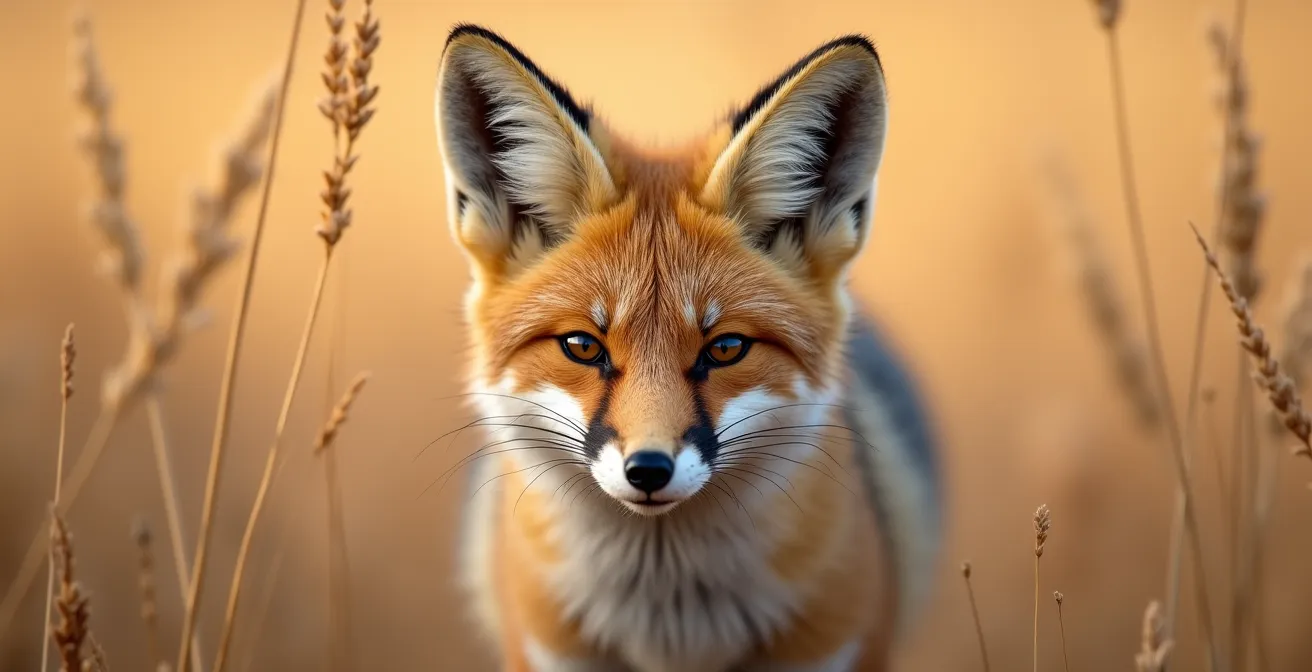
While the sanctuary’s current and exclusive mission is the rescue and care of wolfdogs, they are proud stewards of a property with such a rich history. The ecological importance of the land itself adds another layer to the sanctuary’s identity. It serves as a reminder that the landscape of the Alberta foothills is a complex tapestry of wildlife, both past and present. The skills required to manage a sensitive species like the swift fox—understanding of behavioural biology, enclosure design, and low-stress handling—are part of a legacy of expertise that continues today in the care of wolfdogs.
So, while you won’t find a swift fox breeding program at Yamnuska today, its history is embedded in the very ground you walk on. The sanctuary’s existence on this site honours a long tradition of wildlife conservation in the Cochrane area. It underscores the transition from one critical conservation need to another, from bringing back a native species to providing a permanent home for a human-created animal that cannot survive in the wild or as a domestic pet.
Why You Should Never Buy a Wolfdog as a Pet?
The existence of Yamnuska Wolfdog Sanctuary is a direct answer to a persistent and tragic problem: the breeding and selling of wolfdogs as pets. Lured by the romantic image of a wolf companion, many people acquire these animals without understanding their unique and demanding nature. The result is often heartbreaking for both the owner and the animal. Wolfdogs are not simply a different breed of dog; they are a hybrid with deeply ingrained wild instincts that are incompatible with a typical domestic life.
As sanctuary staff often explain, the expectations of owners clash dramatically with the animals’ reality. Alyx Harris, the sanctuary’s general manager, highlighted this disconnect in an interview with CBC News. She notes that people get them with a certain fantasy in mind:
I think a lot of people get them thinking that they’re going to have this animal that, you know, you can go on hikes and you can sit on the couch and cuddle with them. That’s not really their true nature as far as things that they would enjoy doing.
– Alyx Harris, CBC News
These animals often exhibit behaviours like extreme shyness, destructiveness due to boredom or anxiety, and incredible escape artistry. They require extensive socialization, large and highly secure enclosures (far beyond a typical backyard fence), and a diet and enrichment plan that respects their wild heritage. When owners realize they cannot provide this specialized care, they are faced with a devastating choice, especially in places like Alberta where surrender to a shelter is not an option. This is the “rescue imperative” that drives Yamnuska’s mission. The heartbreaking reality is captured in the experience of owners like Kim Renée Coté, who was forced to surrender her three beloved wolfdogs to the sanctuary due to life circumstances, a decision she knew would cause permanent pain. These stories underscore a crucial message: the most ethical choice is to admire these animals in a sanctuary setting and never support the breeders that create a market for them as pets.
Where Does the Entry Fee Go: Food or Facilities?
When you pay the entry fee for a tour at Yamnuska, you become a direct contributor to the sanctuary’s mission. The cost of your ticket is not for profit; it is a vital revenue stream that funds every aspect of the complex care these animals require. The answer to whether the fee goes to food or facilities is simple: it goes to both, and much more. Operating a facility dedicated to ethical containment on such a large scale is a significant financial undertaking.
The sanctuary spans 160 acres and provides a home for over 55 resident wolfdogs, each with their own dietary, medical, and enrichment needs. The cost of food is substantial, but it is just one piece of the puzzle. The majority of funds are invested in the infrastructure and operations that keep both the animals and the public safe. As detailed in a recent rescue update, the sanctuary’s enclosures are far from simple fences. They are multi-acre environments featuring 8-foot fencing, dig guards to prevent tunnelling, and overhangs to stop climbing. These enclosures also include platforms and structures that provide enrichment and allow the animals to engage in natural behaviours.
Furthermore, every rescue operation is a major logistical and financial challenge. Between 2020 and 2025, Yamnuska took in 58 wolfdogs from a single large-scale Ontario rescue, more than doubling their resident population and pushing them to 100% capacity. Each new arrival requires veterinary care, careful integration into existing packs, and dedicated staff time. Your entry fee helps fund these large-scale rescues, daily enrichment activities, and the constant maintenance required to ensure the enclosures remain secure. It is a direct investment in the welfare of each and every animal at the sanctuary.
Fences and Fur: How to Photograph Sanctuary Animals Ethically?
Photographing the wolfdogs at Yamnuska is a highlight for many visitors, but it comes with a responsibility to do so ethically. The core principle is simple: the well-being of the animals always comes before getting the perfect shot. The sanctuary’s rules are designed to create a low-stress environment, and photography practices must align with this goal. This means no whistling, calling, or making loud noises to get an animal’s attention. Such actions can cause significant stress and are grounds for immediate removal from the premises.
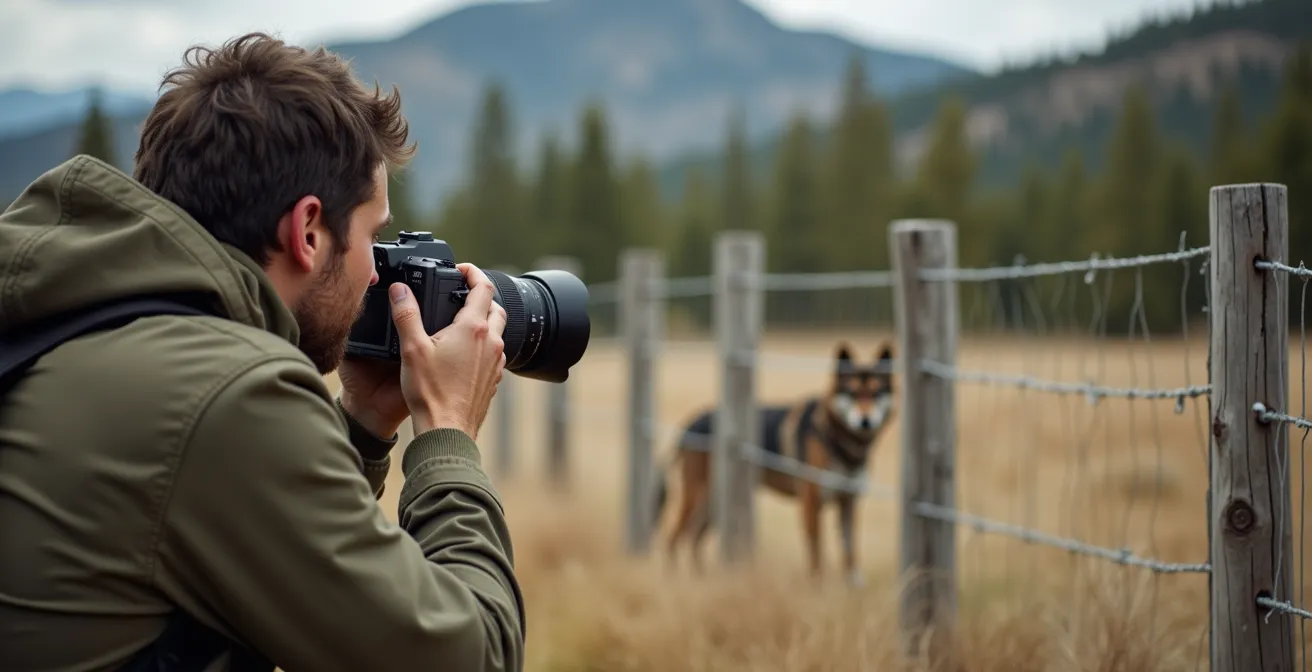
The fences are a key part of the experience, and photographers should see them not as an obstruction, but as a tool for ethical photography. They create a necessary and respectful boundary. A long telephoto lens is your best friend here, allowing you to capture detailed images from a distance without disturbing the animals. Shooting through the fence can even be used for creative effect, creating a sense of depth and context. The goal is to be a quiet observer, documenting the animals as they behave naturally in their environment.
Respecting the rules is paramount, not just for the animals’ sake but for your own safety and the enjoyment of other visitors. Remember that these are sensitive canids, and loud or unruly behaviour is extremely disruptive. Adhering to the sanctuary’s guidelines ensures that your presence does not negatively impact the very creatures you’ve come to admire.
Your Checklist for Ethical Sanctuary Photography
- Respect the Animals: Never whistle, call, or otherwise heckle the wolfdogs for a photo opportunity. Let them behave naturally.
- Obey All Rules: Never throw items into enclosures, attempt to climb fences, or cross any designated barriers. Safety is paramount.
- Maintain a Calm Demeanour: Be aware that loud voices and unruly behaviour can stress the animals and will result in your immediate removal from the sanctuary.
- Prepare for the Elements: Dress appropriately for Alberta weather, which can range from -30°C to +30°C. Tours run year-round, rain or shine.
- Leave Pets at Home: Do not bring your dog, even if left in your vehicle. Wolfdogs are extremely sensitive to the presence of other canids, and it can cause significant distress throughout the sanctuary.
Range Riders vs Traps: How Ranches Manage Wolves Without Killing Them?
The Yamnuska Wolfdog Sanctuary exists within a broader Albertan landscape where human-wildlife interactions, particularly concerning wolves, are a complex and often contentious issue. The title of this section brings up methods like range riders and traps, which are part of the larger conversation about livestock protection and wolf conservation on working ranches. While the sanctuary’s direct mission is not wolf management on ranchlands, its philosophy is deeply connected to the principle of coexistence. By providing a home for surrendered wolfdogs, Yamnuska helps reduce the number of captive animals that could otherwise end up abandoned, creating conflict in rural areas.
The sanctuary also operates with a deep respect for the cultural and historical significance of the land it occupies. This is a fundamental aspect of its identity and its relationship with the surrounding region. The organization formally acknowledges its location as part of a rich Indigenous heritage, stating:
Yamnuska Wolfdog Sanctuary honours that we are located on the traditional lands of the Stoney Nakoda including the Chiniki, Bearspaw and Goodstoney Nations, the Blackfoot Confederacy including Piikani, Kainai and Siksika Nations, and the Tsuut’ina Nation, within Treaty 7 territory
– Yamnuska Wolfdog Sanctuary, Official sanctuary statement
This acknowledgement frames the sanctuary’s work within a context of stewardship that extends beyond animal welfare to include cultural and historical respect. It positions the sanctuary not just as an animal rescue facility, but as a thoughtful occupant of a land with deep roots. In a province where the conversation around wolves can be polarizing, Yamnuska promotes a message of understanding, education, and respect for all canids, both wild and hybrid, and for the land they inhabit.
Moose or Elk: Which Massive Animal is Standing in the Marsh?
While driving through the Alberta foothills on your way to the sanctuary, your eyes might be peeled for the region’s iconic megafauna like moose or elk. Distinguishing between these large herbivores is a classic Alberta challenge. However, once you arrive at Yamnuska, the focus shifts to a different kind of animal identification. You won’t find moose in the enclosures, but you will be tasked with discerning the subtle and not-so-subtle differences between the resident wolfdogs.
Part of this identification comes down to sheer size and build, which varies significantly along the behavioural spectrum from low to high-content. While they may not reach the towering height of a moose, wolfdogs are formidable animals. They are generally larger than most domestic dog breeds, with an athletic and rangy build suited for endurance. Typically, males weigh around 80 pounds, while females are closer to 70 pounds, though high-content individuals can be larger.
Their physical stature is a direct reflection of their wild heritage. You’ll notice the long legs, large paws, and lean bodies characteristic of wolves, which contrast with the often stockier build of northern dog breeds like Huskies or Malamutes. Observing these physical traits is a key part of understanding why they are neither fully wild nor fully domestic. Their size and power are another crucial reason why they are unsuited to be pets and require the specialized, secure environment that the sanctuary provides.
Key Takeaways
- Wolfdog classification is based on observable physical and behavioural traits (the “behavioural spectrum”), as no reliable genetic test exists.
- Wolfdogs are not suitable pets due to their wild instincts; sanctuaries are a necessary, life-saving response to the irresponsible breeding and ownership of these animals.
- A visitor’s entry fee and adherence to rules are direct contributions that fund the animals’ complex care, specialized enclosures, and the sanctuary’s rescue mission.
Stopping for Bears: Why Your Hazard Lights Create a Dangerous Traffic Jam?
On many highways in and around Alberta’s Rocky Mountains, a line of cars pulled over with hazard lights flashing often means one thing: a “bear jam.” While the impulse to stop for a roadside wildlife sighting is strong, it often creates dangerous traffic situations. The Yamnuska Wolfdog Sanctuary offers a powerful alternative: a structured, safe, and predictable way to observe incredible canids without the chaos of a highway traffic jam. The experience is managed from start to finish to ensure the safety of both visitors and animals.
A key aspect of this managed experience is its reliability. The sanctuary is prepared for the unpredictable Alberta weather, with tours running year-round, rain or shine. As their guidelines clearly state, visitors should be prepared for any condition, as tours run in all weather conditions, from -30°C to +30°C. This commitment ensures that the animals’ care and the opportunity for public education are never compromised by a change in the weather.
For those seeking a more profound connection, the sanctuary offers experiences beyond the self-guided walk. The Interactive Tour, for example, allows visitors to go inside an enclosure with a pack of low-content wolfdogs under the strict supervision of staff. This immersive experience costs $89 per person and has a minimum age requirement of 15 years, reinforcing the serious and controlled nature of the interaction. Unlike a spontaneous roadside stop, this is a planned, educational encounter where safety protocols are paramount. It represents the pinnacle of ethical wildlife interaction: an experience that is thrilling for the visitor but never compromises the well-being or safety of the animals.
Plan your visit today to witness firsthand how your responsible tourism choices directly support the welfare and conservation of these remarkable animals. Booking a tour is the first step toward a safe, educational, and unforgettable experience in the heart of the Alberta foothills.