
Alberta’s cultural landscape is woven from threads of Indigenous stewardship spanning millennia, ranching traditions shaped by the land itself, and Western celebrations that draw visitors from around the globe. Understanding this province’s heritage means moving beyond postcard images to engage with living traditions that continue to evolve while honouring their roots. Whether you’re witnessing your first powwow, stepping onto a working ranch, or navigating the organized chaos of the Calgary Stampede, respectful curiosity opens doors to authentic experiences.
This exploration of Alberta’s traditions and heritage provides the foundation you need to travel thoughtfully through a region where history isn’t confined to museums—it’s practiced daily in cultural ceremonies, ranching operations, and community gatherings. From protocol for visiting sacred sites to understanding the ecological role of grassland stewardship, these insights will transform you from an observer into an informed, respectful participant in Alberta’s cultural tapestry.
Alberta sits on Treaty 6, 7, and 8 territories, traditional lands of the Blackfoot Confederacy, Tsuut’ina, Stoney Nakoda, Cree, Dene, Saulteaux, and Métis peoples. A land acknowledgement isn’t merely ceremonial language—it’s recognition of ongoing Indigenous presence and sovereignty. Modern Indigenous reality in Alberta encompasses thriving cultural centers, economic initiatives, and communities actively preserving languages and traditions while navigating contemporary challenges.
Words matter profoundly in Indigenous contexts. Use “Indigenous,” “First Nations,” or specific nation names (Kainai, Piikani, Siksika) rather than outdated terms. “Aboriginal” has been largely replaced in Canadian usage, and “Indian” appears only in legal contexts like the Indian Act. When uncertain about a community’s preferred terminology, respectfully ask or observe how community members introduce themselves.
Indigenous cultural centers like Head-Smashed-In Buffalo Jump or the Blackfoot Crossing Historical Park welcome visitors with interpretive programs led by community members. Reserves, however, are private lands requiring permission for access beyond designated public areas. Photography on reserves follows strict protocols—never photograph ceremonies, sacred objects, or individuals without explicit permission. Many communities prohibit photography entirely during certain cultural events.
Authentic Indigenous art and craftwork can be distinguished from mass-produced imitations by looking for artist signatures, certificates of authenticity, and purchasing directly from artists or Indigenous-owned businesses. Supporting Indigenous-led tour companies, staying at Indigenous-operated accommodations, and dining at restaurants featuring traditional foods creates economic impact that directly benefits communities while ensuring cultural authenticity in your experience.
Powwows are living celebrations of Indigenous culture, not historical reenactments. These gatherings range from small community events to major competitions drawing dancers from across North America. Alberta hosts numerous powwows throughout the warmer months, each with its own character and level of public welcome. Understanding basic protocols transforms attendance from passive watching to meaningful cultural exchange.
The drum is considered the heartbeat of the powwow, treated with profound respect. Drum groups position themselves centrally, and their songs drive the dancing. The Grand Entry opens the powwow with veterans and flag bearers leading dancers into the arena in specific order. During Grand Entry andFlag Songs, all attendees must stand, and men should remove hats. This isn’t mere etiquette—it’s a ceremony honoring those who serve their nations.
What dancers wear is “regalia,” never “costumes”—each piece often carries personal, family, or spiritual significance. Competition categories include Traditional, Fancy, Grass, and Jingle for various age groups and genders, each with distinct regalia styles and dance movements. Fancy dancers incorporate athletic spins and bright colours, while Traditional dancers tell stories through more measured movements and earth-toned regalia featuring family symbols.
Intertribal dances invite everyone—Indigenous and non-Indigenous alike—to join the circle. The emcee will clearly announce these opportunities. Follow the circle’s direction, dance respectfully without mimicking specific styles, and if you’re uncertain, simply walk in rhythm with the drum. This participation honours the powwow’s spirit of community while respecting boundaries around competition and ceremonial dances reserved for specific participants.
Alberta’s ranching heritage stretches back to the 1880s when vast lease lands transformed into cattle operations that still shape the landscape. This isn’t nostalgic preservation—approximately 10 million acres remain under ranching operations in southern Alberta alone, making it a living cultural and economic practice. The evolution of ranching culture reflects adaptation to markets, climate challenges, and changing relationships with the land.
Guest ranch experiences range from luxury resorts with Western themes to authentic working operations where visitors participate in daily ranch work. Distinguishing between these requires asking specific questions about daily schedules, actual cattle work involvement, and required riding experience. Working ranch stays typically begin before dawn for feeding, involve hours in the saddle moving cattle or checking fences, and feature family-style meals that reflect the ranch’s rhythm rather than guest convenience.
Required riding experience varies significantly. Some operations welcome complete beginners for trail rides, while authentic cattle work demands intermediate skills minimum—you should be comfortable controlling your horse at various gaits in open country. Daily schedules follow livestock needs and weather rather than clock time, with flexibility and physical stamina essential traits.
Ranch dining culture centers on hearty, practical meals timed around work. Breakfast is substantial fuel for physical labour, lunch often portable, and dinner a communal gathering. Vegetarian or dietary restrictions can usually be accommodated with advance notice, but expect simpler adaptations than urban restaurants provide.
Packing for ranch environments requires prioritizing function over fashion:
The best season for cattle activities depends on your interests. Spring brings calving and branding—intensive, round-the-clock work with newborn animals. Fall offers cattle drives moving herds from summer pastures to winter feeding areas, with spectacular foothills scenery. Summer provides the most comfortable weather but often less dramatic ranch work.
The Cowboy Trail (Highway 22) runs over 700 kilometres along the eastern slopes of the Rockies, connecting ranching communities from Mayerthorpe to Cardston. This scenic route passes working ranches, historic stopping houses, and communities where Western heritage remains everyday life rather than tourist attraction. Towns like Longview and Twin Butte offer authentic ranch supply stores, local museums, and cafés where ranchers actually gather.
The Calgary Stampede transforms Canada’s fourth-largest city each summer into what organizers call “The Greatest Outdoor Show on Earth.” This ten-day event combines professional rodeo, agricultural exhibitions, Indigenous ceremonies, carnival midway, and free pancake breakfasts into an experience that can overwhelm first-time visitors. Understanding its scope and culture helps you navigate the chaos purposefully.
The Stampede’s free pancake breakfast tradition sees local organizations, businesses, and neighbourhoods serve millions of pancakes throughout the city. These aren’t loss leaders—they’re community-building events where businesses gain goodwill, politicians meet constituents, and the city embodies Western hospitality. Attending multiple breakfasts is perfectly acceptable and offers genuine local interaction beyond the official grounds.
On the grounds, budget strategy requires planning. Admission is separate from midway rides and most food vendors. The agricultural barns, Indigenous Village, and daily parade are included with admission, offering hours of free exploration once inside. The culinary challenge of the midway—famous for deep-fried experimentation from Oreos to pickles—can quickly consume your budget at $8-15 per novelty item.
Professional rodeo follows strict rules governing animal welfare, scoring, and competition formats. Roughstock events (bareback, saddle bronc, bull riding) score both rider technique and animal performance. Timed events (barrel racing, steer wrestling, tie-down roping) reward speed and precision. Understanding that rodeo animals are valuable athletes with professional careers, not disposable props, helps contextualize the animal welfare standards enforced by veterinarians present throughout.
Western wear etiquette for tourists during Stampede is refreshingly simple: effort matters more than authenticity. Locals appreciate visitors wearing jeans, boots, and hats—even obvious new purchases—over those who show up in shorts and sandals then complain about dust. That said, avoid Indigenous-inspired fashion or ceremonial items as costume; stick to cowboy/ranching aesthetics. Hat rules remain important: remove it during anthems and flag ceremonies, keep it on while eating (unlike formal Eastern etiquette).
Calgary’s accommodation prices surge during Stampede, with booking 6-8 months ahead essential for reasonable rates near downtown. Alternative strategies include staying in neighbouring communities (Okotoks, Airdrie, Cochrane) and driving in, or booking far from the grounds and using Calgary’s C-Train light rail system, which runs expanded service and connects directly to the Stampede grounds.
Alberta’s history encompasses far more than cowboys and oil booms. Waves of immigration created Ukrainian block settlements, Icelandic fishing communities, Chinese railway workers’ contributions, Japanese internment camp legacies, and Black settler histories often omitted from simplified narratives. This multicultural heritage lives in place names,archival records, and community museums that reward curious travellers.
The Provincial Archives of Alberta in Edmonton offers public access to historical documents, photographs, and maps that contextualize the landscape you’re travelling through. Smaller community archives and museums—like the Galt Museum in Lethbridge or the Remington Carriage Museum in Cardston—provide localized perspectives often missing from major institutions. Many accept research inquiries in advance, allowing you to explore family history connections or specific historical questions.
Alberta’s toponymy reveals layered histories. Blackfoot names like Okotoks (“rock”), Ponoka (“elk”), and Wetaskiwin (“peace hills”) persist alongside French voyageur terms (Lac La Biche), English descriptors (Medicine Hat from Saamis—a Blackfoot word mistranslated), and immigrant community names (Vegreville, Calmar, New Norway). Understanding these linguistic layers enriches your navigation with historical context—each name tells a story of who travelled, settled, or claimed the land.
The gap between marketed heritage and complex historical reality requires active bridging. Tourism narratives often smooth over displacement of Indigenous peoples, environmental degradation from resource extraction, and discrimination faced by various immigrant communities. Seeking out multiple perspectives—Indigenous-led historical tours alongside heritage museums, labour history archives alongside oil industry celebrations—creates nuanced understanding. Ask questions like “Whose perspective does this represent?” and “What happened to the people who were here before?”
Alberta contains numerous sites of spiritual, historical, and cultural significance requiring specific visitor protocols. The challenge for travellers lies in distinguishing between sites designed for public tourism and those where visitation requires particular sensitivity or advance permission.
Sacred natural sites like Writing-On-Stone Provincial Park contain rock art and ceremonial landscapes still used by Indigenous communities. Public access is permitted with restrictions: designated trails only, no touching rock art, photography limitations, and alcohol prohibition. Some sites require Indigenous guides for access, ensuring both cultural interpretation and protocol compliance.
Historical sites like the former Residential School locations present different ethical considerations. These sites represent profound trauma for Indigenous communities. If visiting for educational purposes, approach with solemnity, avoid treating them as photo opportunities, and prioritize learning from survivor testimony and Indigenous-created interpretive materials over voyeuristic curiosity.
Heritage tourism intersects with land stewardship in Alberta’s ranching regions, where grassland preservation depends partly on economically viable ranching. Modern operations increasingly emphasize ecological benefits: native grasslands sequester significant carbon in deep root systems, riparian area management supports wildlife corridors, and rotational grazing can improve soil health.
Understanding ranching’s ecological role helps eco-conscious visitors recognize that blanket opposition to livestock agriculture may inadvertently threaten grassland ecosystems more effectively protected by sustainable ranching than by conversion to crop agriculture or development. Water conservation strategies, predator coexistence programs using guardian dogs and range riders rather than elimination, and participation in conservation easements represent how traditional land use adapts to contemporary environmental awareness.
Alberta’s traditions and heritage aren’t frozen in museums—they’re dynamic practices shaped by people engaging daily with their cultural inheritances while adapting to contemporary realities. Your respectful participation in these living traditions, grounded in understanding protocol and historical context, enriches both your travel experience and the communities extending their hospitality. Whether you’re learning powwow etiquette, supporting Indigenous artists, experiencing working ranch life, or navigating Calgary Stampede’s exuberant celebration, approaching Alberta’s heritage with curiosity and humility opens pathways to authentic cultural exchange that benefits everyone involved.
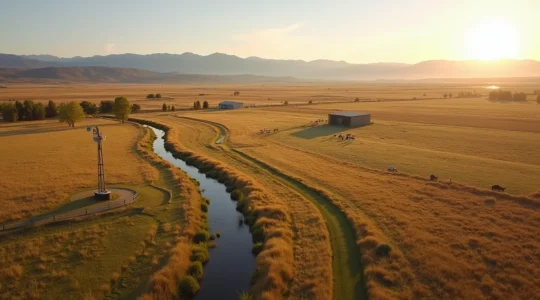
Well-managed cattle grazing in Alberta isn’t just for producing beef; it’s a powerful form of ecological engineering that actively restores grassland health, stores carbon, and protects biodiversity. Rotational grazing systems mimic natural patterns, using short periods of intense grazing followed…
Read more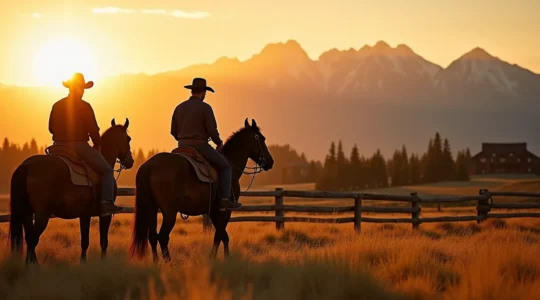
Choosing an Alberta ranch based on the “Yellowstone” fantasy is the fastest way to a miserable vacation; the real decision is a frank assessment of your family’s tolerance for dirt, sweat, and rules. A working ranch demands a “can-do” attitude…
Read more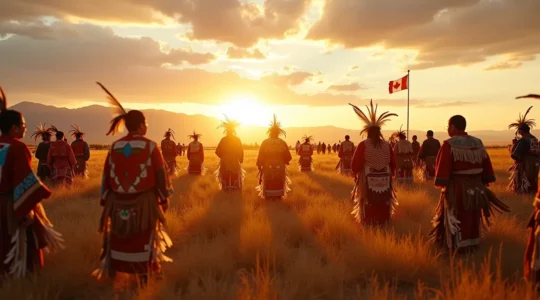
Absolutely, yes! The most common concern for visitors is the fear of being disrespectful, but powwows are welcoming events open to all. The key isn’t just to follow rules, but to understand the heart behind them. This guide moves beyond…
Read more
In summary: Treaty 7 is a living agreement, not just a historical document, that defines an ongoing relationship between Indigenous Nations and Canada. As a visitor, your role is that of a guest. This involves learning and practicing “territorial etiquette,”…
Read more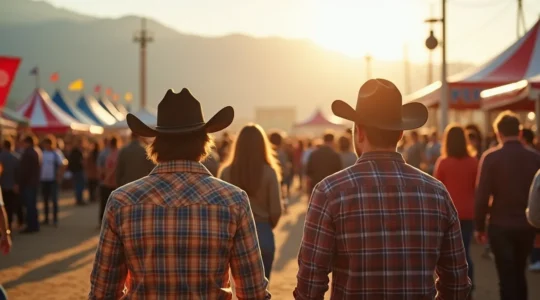
In summary: Master the “Pancake Breakfast System” to eat for free by using dedicated apps and knowing which spots to hit first. Understand the rodeo by learning the difference between high-action Roughstock events and skill-based Timed Events. Recognize that “weird”…
Read more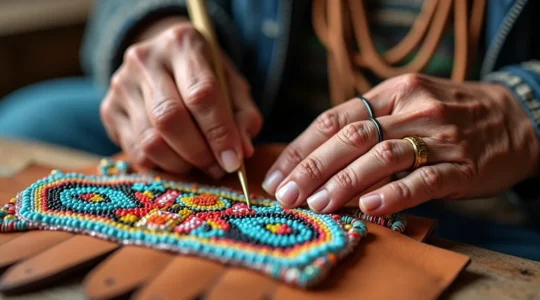
In summary: Authenticity isn’t a “Made in Canada” sticker; it’s the story and relationship behind the piece. Supporting Indigenous artists means engaging respectfully with a living culture, not just buying an object. In Alberta, understanding the context of Treaty 7,…
Read more