
Alberta stands as one of North America’s most dramatic wilderness destinations, where the spine of the Canadian Rockies meets sprawling boreal forests and vast northern skies. Yet beyond the postcard-perfect images lies a complex landscape that demands respect, preparation, and understanding. From the turquoise waters of glacier-fed lakes to the dancing curtains of the aurora borealis, these experiences require more than simply showing up with a camera.
Whether you’re planning your first visit to Banff National Park or preparing for a multi-day backcountry expedition, the difference between a transformative adventure and a disappointing—or dangerous—outing often comes down to knowledge. This comprehensive resource connects the essential elements of experiencing Alberta’s wilderness: from understanding bear behavior and altitude physiology to navigating exclusive access systems and managing realistic expectations in heavily visited areas.
The romanticized vision of pristine wilderness often clashes with the practical realities facing modern visitors. Alberta’s protected areas exist on a spectrum from highly developed tourist hubs to genuine backcountry isolation, and understanding this distinction shapes every aspect of your planning.
The psychological shift between a crowded trail at Lake Louise and true backcountry solitude can be jarring. Tourist hubs like Banff townsite offer immediate access to emergency services, cellular connectivity, and predictable trail conditions. Move just ten kilometers into designated wilderness, however, and you may encounter what Parks Canada calls “dead zones”—areas where communication devices fail and rescue response times extend to hours rather than minutes.
This reality requires honest self-assessment. Non-hikers entering nature for the first time should prioritize well-maintained trails with high traffic, where help is never far away. Experienced adventurers seeking solitude must accept the responsibility that comes with isolation, including comprehensive safety planning and self-rescue capabilities.
Where you sleep profoundly affects your wilderness experience. Options range across a broad spectrum:
Your accommodation type determines not just comfort but safety margins, wildlife exposure, and the authenticity of your experience. A family staying at Fairmont Chateau Lake Louise will have a vastly different trip than backpackers camping at Egypt Lake, thirty kilometers from the nearest road.
The Canadian Rockies may not reach Himalayan heights, but elevations between 1,400 and 3,500 meters present genuine physiological challenges that catch unprepared visitors off guard.
Even moderately fit individuals notice the effects above 2,400 meters. The air contains roughly 25% less oxygen than at sea level, forcing your cardiovascular system to work harder for every step. What feels like an easy hike in the prairies becomes breathless work on the Iceline Trail or Sulphur Skyline.
Acclimatization isn’t just for mountaineers. Spending your first day at lower elevations around Banff (1,383m) before tackling high passes like Parker Ridge (2,255m) can mean the difference between an enjoyable hike and a miserable slog accompanied by headaches and nausea.
Mountain weather operates on different rules than valley forecasts. Temperature drops approximately 1°C for every 150 meters of elevation gain, meaning a pleasant 15°C afternoon in Canmore can coincide with freezing conditions and snow squalls at Sunshine Meadows.
Shoulder seasons—late May through June and September through October—present particular avalanche risks. Understanding basic avalanche terrain, carrying proper safety gear, and checking the Avalanche Canada forecast aren’t optional for anyone traveling in alpine areas during these periods. Similarly, UV radiation intensifies with altitude, making high-SPF sunscreen and quality sunglasses essential even on cloudy days.
The Columbia Icefield represents one of North America’s most accessible glacier experiences, but “accessible” doesn’t mean without risk or immune to exploitation by superficial tourism.
The famous Ice Explorer vehicles transport thousands daily onto the Athabasca Glacier’s surface, providing a genuine glacier walk with zero technical skill required. However, this fifteen-minute experience offers limited understanding of glacial dynamics or the wilderness skills needed for independent glacier travel.
More immersive alternatives include guided icewalk tours that explore crevasse zones and moulin formations, or serious glacier mountaineering courses teaching rope work and crevasse rescue. Each serves different goals—tourist experience versus skill development—and carries vastly different price points ranging from $100 to over $500.
This 232-kilometer corridor between Lake Louise and Jasper ranks among the world’s most scenic drives, but timing dramatically affects the experience. Peak season from July through August brings reliable weather but overwhelming crowds at iconic stops like Peyto Lake and the Skywalk.
The Glacier Skywalk itself—a glass-floored platform extending over the Sunwapta Valley—divides opinion sharply. Some find the engineered viewpoint breathtaking; others consider it an overpriced gimmick disconnected from authentic wilderness experience. The icefield microclimate means visitors should prepare for conditions 10-15°C colder than the valleys, with possibility of snow even in midsummer.
These two bodies of water have become so synonymous with Canadian wilderness that managing the reality versus Instagram expectations has become part of the experience itself.
Lake Louise receives over four million visitors annually, creating access challenges unprecedented in Canadian national parks. The Parks Canada shuttle system now operates as a mandatory Park & Ride during peak periods, typically mid-June through mid-October. Understanding this system—booking time slots, shuttle frequencies, and parking lot opening times—separates successful visits from wasted mornings circling full lots.
For photographers seeking the classic sunrise reflection shot, winter presents easier access but brings its own challenges: ice makes the shoreline treacherous, and temperatures commonly drop below -25°C. Summer canoe rentals, while scenic, cost approximately $120 per hour and require early booking during peak periods.
Moraine Lake’s appearance on the old Canadian twenty-dollar bill cemented its iconic status, but exclusive access restrictions now complicate visits. Private vehicles face severe limitations, with the access road often closing by 5:00 AM due to parking capacity.
Alternatives include the Parks Canada shuttle (requiring advance booking), commercial tour buses (offering less flexibility), or hiking the Moraine Lake Connector Trail from the overflow lot—adding two kilometers each way. The legendary larch season in late September creates particularly intense demand, as the surrounding Valley of the Ten Peaks glows golden yellow for approximately two weeks.
While typically associated with Canada’s territories, Alberta’s northern latitude and dark sky preserves provide legitimate aurora viewing opportunities—with patience and technical understanding.
The aurora borealis results from solar wind particles colliding with Earth’s magnetic field. The Kp index, ranging from 0-9, measures geomagnetic activity. In central Alberta (around Edmonton at 53°N latitude), displays become visible at Kp 4-5, while southern areas near Calgary require Kp 6 or higher—relatively rare events.
Successful aurora hunters monitor space weather forecasts from sources like the Space Weather Prediction Center, understanding that predictions become reliable only 1-3 days in advance. This demands flexible planning and willingness to drive north on short notice when conditions align.
Capturing the aurora requires specific camera settings: manual mode, wide aperture (f/2.8 or wider), ISO 1600-3200, and exposures of 8-20 seconds. A sturdy tripod isn’t optional—it’s essential. Dark sky preserves like Jasper National Park’s designated dark sky preserve or Wood Buffalo National Park offer the best conditions.
The physical challenge of aurora hunting often surprises newcomers. Successful viewing requires static waiting in extreme cold, sometimes for hours. Layered clothing systems, chemical hand warmers, insulated boots rated to -40°C, and thermos hot drinks transform a miserable ordeal into an enjoyable night under dancing lights.
Beyond scenic viewpoints, Alberta offers genuine adrenaline experiences ranging from accessible beginner options to expert-level challenges.
Rivers like the Kicking Horse and Kananaskis offer commercial rafting spanning the whitewater classification spectrum. Class II-III rapids provide thrilling splashes suitable for families, while Class IV sections demand active paddling and acceptance of genuine flip risk. Reputable operators provide detailed safety briefings and never minimize the real—though statistically small—dangers.
Helicopter-accessed hiking delivers wilderness experiences requiring neither technical skills nor multi-day time commitments. Companies like Canadian Mountain Holidays fly guests into remote alpine meadows for guided day hikes, returning to comfortable lodges each evening. These experiences cost approximately $4,000-7,000 for a week, raising questions about value and environmental impact worth considering alongside the undeniable access they provide.
Rat’s Nest Cave near Canmore offers guided spelunking through tight passages and underground chambers, requiring moderate fitness and willingness to get muddy. Horseback riding, meanwhile, exists on a spectrum from gentle one-hour tourist rides to multi-day pack trips—with the authentic cowboy experience typically found far from the tourist centers.
Alberta’s ski season typically runs November through May, with three major resort areas offering distinct experiences and price points.
Lake Louise Ski Resort offers the most extensive terrain with genuine expert runs and stunning scenery. Sunshine Village provides reliable snow thanks to its high elevation base (2,100m), while Marmot Basin in Jasper delivers a more relaxed atmosphere with shorter lift lines. Day lift tickets range from $110-150, making multi-day passes or season passes significantly more economical for week-long trips.
Quality gear rental in resort villages costs approximately $50-70 daily, with advance online booking often securing discounts. For visitors unfamiliar with deep cold, understanding the difference between -10°C and -30°C matters enormously—the latter requires face protection, goggle considerations for frost, and recognition that lifts may close due to frostbite risk.
The après-ski culture in Banff revolves around establishments like the Rose & Crown or Melissa’s, where post-slope socializing forms an integral part of the ski experience for many visitors.
Alberta’s wilderness contains healthy populations of large predators, particularly grizzly and black bears, making wildlife safety knowledge non-negotiable rather than optional.
Understanding the difference between defensive bluff charges and predatory approaches can save lives. Bluff charges—characterized by huffing, jaw popping, and often stopping short—require standing your ground and speaking calmly. True predatory stalking, rare but deadly serious, demands aggressive defense including bear spray deployment and, if attacked, fighting back with any available tools.
Bear spray (capsaicin concentration around 2%) proves effective in 90% of confrontations, but only when carried accessibly—not buried in a backpack—and when users have practiced the deployment motion. Hiking in groups of four or more reduces encounter risk by roughly 90% compared to solo travel.
Parks Canada implements seasonal closures and restrictions based on wildlife biology, not arbitrary bureaucracy. Spring closures protect elk calving areas, as cow elk defending newborns display surprising aggression toward humans. Similarly, wildlife overpasses across the Trans-Canada Highway reduce animal-vehicle collisions by 80% while maintaining genetic connectivity between populations—visible conservation science delivering measurable results.
Facilities like the Cochrane Ecological Institute provide homes for non-releasable wildlife while conducting conservation research. Visiting these sanctuaries offers close wildlife encounters while supporting legitimate rescue operations. Understanding photography restrictions—designed to reduce animal stress—and the transparency of donation allocation helps visitors support ethical operators versus problematic roadside “wildlife parks.”
Inclusive wilderness access has expanded significantly, moving beyond token gestures toward genuine participation opportunities.
Wheelchair-accessible trails now include highlights like the Marsh Loop at Vermilion Lakes and sections of the Bow River pathway system in Banff. Adaptive equipment—including off-road wheelchairs with balloon tires—can be rented through organizations like the Jasper Adaptive Sports program, enabling backcountry access previously impossible.
Sensory-friendly experiences accommodate visitors with autism or sensory processing differences, while visual impairment resources include tactile models at key viewpoints and audio description programs. Senior-friendly options focus on shorter distances with benches, minimal elevation gain, and well-maintained surfaces—proving that age or ability need not preclude meaningful wilderness connection.
For experienced adventurers, Alberta’s backcountry offers world-class multi-day hiking through remote wilderness requiring comprehensive planning.
Successful expeditions balance nutrition with pack weight. Dehydrated meals from companies like Mountain House or Good To-Go provide approximately 650-750 calories for 120 grams, though their sodium levels demand increased water intake. Food rationing typically calculates at 1.5-2 pounds per person per day, with experienced hikers shaving weight through careful menu planning.
Water treatment—whether filtration, chemical, or UV—is mandatory, as giardia and other parasites exist even in pristine-looking alpine streams.
Backcountry campsites require advance reservation through the Parks Canada system, with popular routes like Skoki Valley or Egypt Lake booking out months ahead. Each campsite provides specific food storage—either bear-proof lockers or designated hang poles requiring proper bear hang technique to suspend food bags at least 4 meters high and 1.5 meters from tree trunks.
Weather bail-out plans identify exit routes if conditions deteriorate, while hygiene protocols—including packing out all toilet paper and digging catholes at least 70 meters from water sources—minimize environmental impact.
Alberta’s wilderness offers experiences ranging from accessible nature walks to serious mountaineering expeditions, but all share a common requirement: preparation grounded in realistic understanding rather than romanticized assumptions. Whether you’re photographing the aurora, paddling Lake Louise, or spending a week in the backcountry, knowledge transforms these iconic experiences from mere tourist activities into genuine connections with one of Earth’s most spectacular wild landscapes.
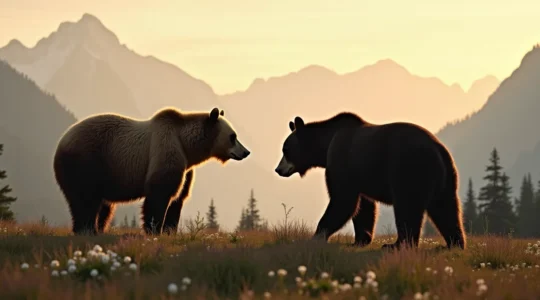
In summary: Your survival depends on a 3-second assessment, not a leisurely checklist. Focus on the shoulder hump and locomotive signature. Bear spray is your primary tool, but only if you have practiced with an inert can to build muscle…
Read more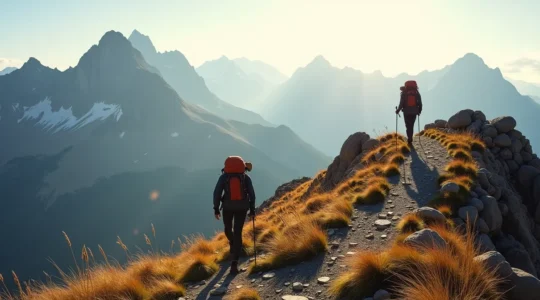
In summary: Success on the Skyline Trail hinges on strategic, data-driven decisions, not just physical endurance. Master food packing by targeting a minimum of 125-135 calories per ounce to keep pack weight manageable. Campsite selection is a strategic trade-off between…
Read more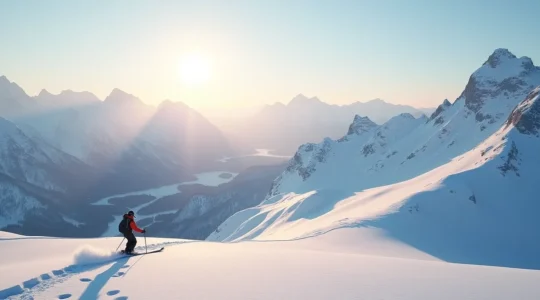
The key to avoiding altitude sickness in Banff isn’t just about drinking water; it’s about having a smart logistical plan from the moment you land. Start your ski days at Lake Louise’s lower elevation before tackling the higher terrain of…
Read more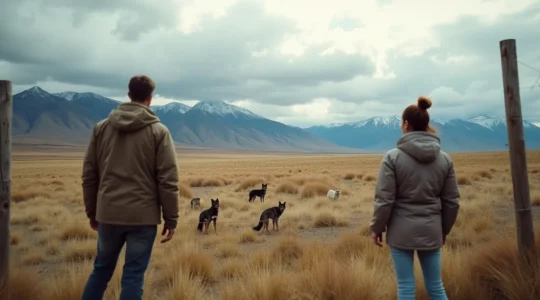
Visiting Yamnuska is exceptionally safe precisely because its rules are designed to prioritize the animals’ welfare over visitor convenience. Wolfdogs are not domestic pets; their genetic “content” dictates their complex behavioural needs, making visual classification essential for their care. The…
Read more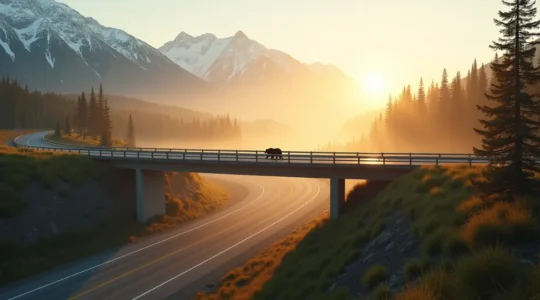
Spring trail closures in the Bow Valley are not an arbitrary inconvenience for hikers; they are a critical, science-based management tool. These closures are essential to relieve system-level pressure on wildlife funnelled into an ‘ecological pinch point’ by geography and…
Read more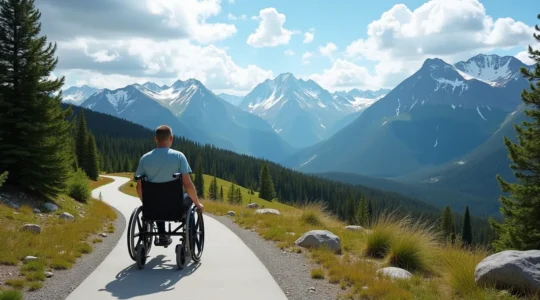
In summary: True accessibility in Alberta’s parks requires a strategic toolkit, not just a list of “easy” trails. Adaptive gear like TrailRiders, available for rent in the Bow Valley, opens up rugged terrain. Understanding the limitations of popular spots (like…
Read more
In summary: Accessing Moraine Lake is now a logistics puzzle; your choice of shuttle impacts your entire day’s itinerary and budget. The Parks Canada shuttle is the most economical but requires winning a high-demand booking lottery, with 60% of tickets…
Read more
Choosing your perfect Alberta adventure comes down to “Adrenaline ROI”—maximizing thrill, not just counting dollars. High-cost activities like heli-tours offer epic views but come with logistical risks like weather cancellations. Activities like caving or rafting have a high “commitment level,”…
Read more
The overwhelming fear of the Lake Louise parking fiasco and 4 AM wake-up calls prevents many from enjoying one of Canada’s most stunning vistas. The solution isn’t luck or losing sleep; it’s a strategic approach. By understanding the logistics of…
Read more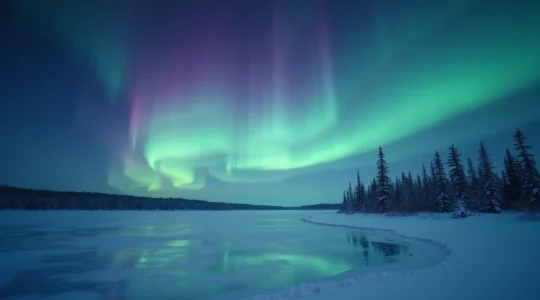
Successfully photographing the aurora in Alberta isn’t about chasing the highest Kp-index; it’s about mastering the strategic trade-offs between mediocre activity and perfect conditions. Weak but clear auroras (Kp 2-3) often yield better photos than strong auroras clouded by hype…
Read more