
Alberta’s culinary identity is inseparable from its landscape. The vast prairies, chinook winds, and rich agricultural heritage have shaped a food culture that extends far beyond stereotypes. From the world-renowned beef industry to wild saskatoon berries dotting river valleys, the province offers a terroir as distinctive as any wine region—one defined by extreme seasonal contrasts, indigenous traditions, and generations of ranching expertise.
Understanding Alberta’s flavors means moving past marketing buzzwords to discover what genuinely connects food to place. This exploration reveals how climate influences taste, why certain products command premium prices, and how to identify authenticity in an increasingly crowded marketplace. Whether you’re seeking grain-finished beef, foraging wild foods, or navigating farmers markets, grasping the fundamentals of prairie terroir transforms ordinary eating into meaningful engagement with regional culture.
The local food movement has brought welcome attention to regional producers, but it has also introduced confusion. Terms like “artisanal,” “heritage,” and “sustainable” appear on products of vastly different quality and provenance. Developing critical evaluation skills helps travelers and residents alike access genuine Alberta terroir rather than commodified approximations.
Authentic local products typically provide specific origin information—not just “Alberta-raised” but naming the actual ranch, farm, or region. A jar of honey labeled “Peace Country” tells you something meaningful about flavor profile; generic “local honey” reveals little. Similarly, beef labeled with the ranch name and feeding protocol demonstrates transparency that mass-market products avoid. Producers confident in their methods welcome questions about practices, seasonality, and supply chains.
Alberta’s short growing season fundamentally shapes what can be produced locally. Fresh tomatoes in February aren’t local, regardless of labeling creativity. The true local season for field vegetables runs roughly from July through October, with storage crops like potatoes, squash, and root vegetables extending availability through winter. Understanding these limitations prevents disappointment and helps identify misleading claims. Embracing seasonality means celebrating asparagus in June, Saskatoon berries in July, and preserves during the long winter months.
Not all farmers markets prioritize local producers. Some function primarily as outdoor retail spaces where resellers dominate. Authentic markets enforce producer-only policies, require vendors to grow or make what they sell, and often limit geographic boundaries. The Calgary Farmers’ Market and Old Strathcona Farmers’ Market in Edmonton maintain rigorous standards, but smaller community markets often provide more direct producer interaction. Arriving early offers the best selection and opportunities to ask growers detailed questions about cultivation methods, harvest timing, and variety selection.
Alberta’s agricultural output extends far beyond beef. The province’s diverse microclimates and soil types support surprising variety, from northern honey production to craft malting operations. These lesser-known products reveal how terroir functions in prairie contexts, where temperature extremes and precipitation patterns create distinctive flavor profiles.
Root vegetables thrive in Alberta’s climate, where cool nights and warm days concentrate sugars and develop complex flavors. Carrots grown in the province often taste noticeably sweeter than imports, while heritage varieties like purple potatoes and yellow beets have found commercial viability through farmers market channels. These crops also store exceptionally well, making them practical choices for year-round local eating. Parsnips left in the ground through early frosts develop enhanced sweetness, exemplifying how climate challenges become flavor advantages when producers work with rather than against seasonal patterns.
Alberta produces more honey than any other Canadian province, with distinct flavor profiles emerging from different regions. Peace Country clover honey tastes markedly different from southern prairie wildflower varieties, reflecting diverse plant communities and blooming schedules. The province’s massive canola production—those brilliant yellow fields visible throughout summer—provides a major nectar source, creating mild, light-colored honey prized for its neutral sweetness. Beekeepers often offer single-source honeys that showcase specific plants, from alfalfa to fireweed, allowing direct taste comparisons of how terroir influences even something as seemingly simple as honey.
Alberta’s craft brewery explosion connects directly to the province’s barley production. The same prairie conditions that stress wheat create excellent malting barley, with specific varieties like AC Metcalfe and Copeland preferred by maltsters. Some breweries have established direct relationships with growers, creating true estate beers where every ingredient comes from known sources. This farm-to-glass approach reveals how terroir influences beer: barley grown in dry southern regions produces different enzyme profiles than northern crops, affecting fermentation characteristics and final flavor. Visiting a brewery that uses 100% Alberta malt provides tangible connection between landscape and glass.
No discussion of Alberta flavors can ignore beef. The province’s cattle industry represents more than economic importance—it embodies cultural identity and demonstrates how specific environmental conditions create world-class products. Yet the beef category itself contains enormous variation that most consumers never explore.
Dry-aging concentrates flavor and tenderizes meat through controlled decomposition, but this time-intensive process adds significant cost. Properly dry-aged beef develops nutty, almost cheese-like notes absent in fresh cuts, with 30-45 days considered optimal for balancing flavor development against yield loss. The feeding system—grass-fed versus grain-finished—impacts both taste and texture. Grass-fed beef tends toward leaner profiles with pronounced minerality, while grain-finishing (typically using Alberta-grown barley) increases marbling and produces milder, buttery flavors. Neither approach is inherently superior; they represent different expressions of the same raw material.
The distinction between feeding systems extends beyond health claims to fundamental flavor differences. Grass-fed beef offers more complex, sometimes gamier taste that reflects seasonal pasture changes—spring beef tastes different from fall beef as available grasses shift. Grain-finished cattle, typically fed for 90-120 days before processing, develop more consistent flavor profiles and increased intramuscular fat that enhances perceived tenderness. Many Alberta ranchers use hybrid approaches, raising cattle on pasture before strategic grain finishing, attempting to capture benefits of both systems. Tasting side-by-side comparisons reveals these differences aren’t subtle: cooking methods must adapt to each type’s distinct characteristics.
Alberta’s beef industry carries historical weight extending back to the 1880s ranch era. The Palliser Triangle—once deemed unsuitable for agriculture—proved ideal for cattle raising, and generations of ranching families have refined practices suited to prairie conditions. This isn’t nostalgia but lived expertise: understanding how cattle behave during chinooks, which native grasses provide optimal nutrition, and how elevation affects finishing. The Calgary Stampede, despite its modern commercialization, preserves genuine connections to this heritage. Buying beef directly from multi-generation ranches accesses not just meat but accumulated knowledge about raising cattle in specific microclimates, information often lost in industrial processing.
Alberta’s edible landscape extends beyond cultivated crops to wild foods that have sustained people for millennia. These ingredients carry both culinary interest and cultural significance, offering flavors impossible to replicate through agriculture.
Saskatoon berries ripen in July throughout Alberta, growing wild along river valleys and coulees. These purple berries resemble blueberries but offer a distinct, almost almond-like flavor from their edible seeds. They contain higher antioxidant levels than cultivated blueberries and adapt beautifully to pies, preserves, and sauces. Proper identification is straightforward—shrubs reach 2-5 meters with white spring flowers and distinctive leaves—but foragers must respect private property and harvest sustainably, taking only what they’ll use and leaving plenty for birds and other wildlife. U-pick operations offer legal access to abundant berries while supporting farms that maintain saskatoon groves. These berries freeze exceptionally well, providing year-round access to a genuinely local flavor.
Bison represents Alberta’s deepest culinary connection, though most contemporary animals come from ranched rather than wild populations. The meat offers leaner profiles than beef with slightly sweeter, more robust flavor. Bison contains higher protein and iron levels while carrying less fat, requiring cooking adjustments to prevent dryness—lower temperatures and shorter times preserve moisture. The cultural significance extends beyond nutrition: bison sustained Plains peoples for thousands of years, and its near-extinction then recovery tells essential stories about land use and conservation. Sourcing from Indigenous-owned operations like those on Treaty 7 territory honors these connections while supporting economic sovereignty.
Pemmican—dried bison or beef mixed with rendered fat and berries—exemplifies indigenous food technology perfectly adapted to prairie conditions. This shelf-stable, energy-dense preparation sustained travelers and hunters through long winters. Contemporary chefs have revived pemmican-inspired preparations, balancing historical authenticity with modern palates. Similarly, traditional methods like pit-cooking and berry preservation inform current techniques. Understanding these preparations isn’t culinary tourism but recognition that indigenous peoples developed sophisticated relationships with prairie terroir over millennia—knowledge that remains deeply relevant to anyone seeking to eat well in this landscape.
The most meaningful engagement with Alberta’s terroir often comes through direct producer relationships. Buying beef by the quarter from a ranch, visiting U-pick berry operations, or purchasing honey directly from beekeepers provides transparency impossible in conventional retail channels. These transactions reveal actual costs of quality production, explain why certain products command premium prices, and build understanding of seasonal rhythms.
Many ranches offer farm gate sales or participate in buying clubs that aggregate orders to make bulk purchases practical for individual families. This approach requires freezer space and upfront investment but typically reduces per-pound costs while ensuring known provenance. U-pick operations charge significantly less than retail while offering family-friendly activities and education about crop cultivation. The etiquette is straightforward: harvest only ripe produce, handle plants gently, and expect to pay for what you pick—these are working farms, not entertainment venues.
Direct sourcing also allows conversations about production methods that labels can’t capture. Asking ranchers about winter feeding programs, learning why beekeepers choose specific locations for hives, or understanding why root vegetable farmers prefer certain varieties transforms abstract “local food” concepts into tangible knowledge. These relationships often provide recipe suggestions, preparation tips, and insights about how to maximize unfamiliar cuts or preserve seasonal abundance.
Alberta’s terroir offers remarkable diversity for those willing to look beyond superficial local food marketing. From the mineral notes in grass-fed beef to the almond sweetness of saskatoon berries, distinctive flavors emerge from the province’s particular combination of climate, soil, and cultural history. Engaging authentically with these flavors requires seasonal awareness, critical evaluation of sourcing claims, and willingness to build direct producer relationships. The reward is eating that reflects genuine connection to place—meals that taste unmistakably of prairie soil, chinook winds, and generations of accumulated knowledge about coaxing flavor from a sometimes harsh but ultimately generous land.
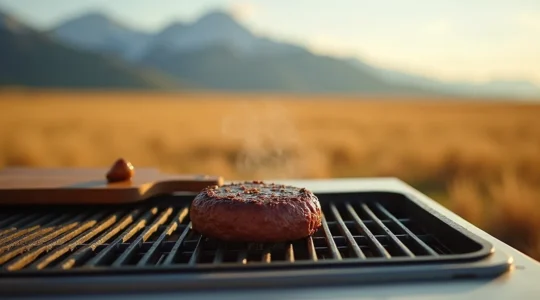
The fear of cooking a dry, tough bison burger is common, but the solution isn’t just about cooking time. The secret lies in understanding the science of lean protein. This guide moves beyond simple warnings and teaches you specific chef…
Read more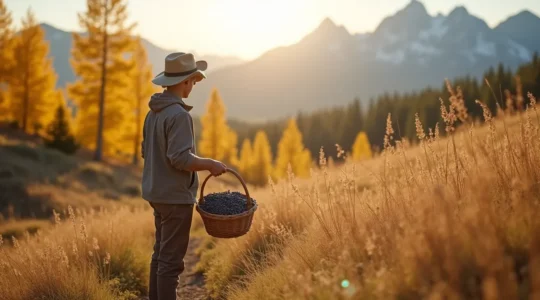
In summary: Properly identifying edible Saskatoon berries versus toxic look-alikes like Buckthorn is the most critical first step for any forager. Understanding the simple rules of both wild foraging and U-Pick farms in Alberta, a concept we call “Prairie Etiquette,”…
Read more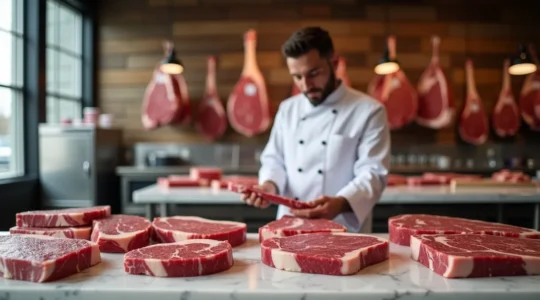
Choosing the best Alberta steak isn’t about the grade on the label, but about understanding the story behind the meat—from the barley feed to the butcher’s aging room. Alberta’s unique barley-fed beef offers a distinct nutty flavour and white fat,…
Read more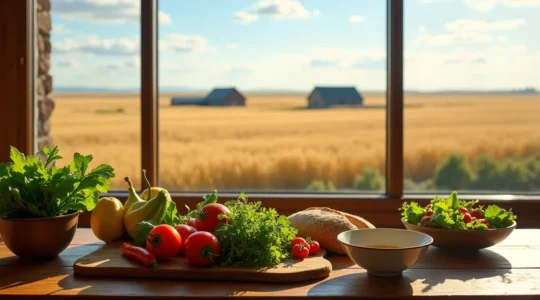
The term “farm-to-table” in Alberta is mostly a marketing slogan; true locality is proven by seasonal limits and transparent supply chains, not by menu claims. Authentic menus are defined by what’s missing (e.g., fresh tomatoes in May) as much as…
Read more