
Alberta presents travelers with a unique paradox: stunning accessibility to world-class wilderness combined with logistical complexity that catches many visitors off guard. The province’s 661,848 square kilometers encompass dramatic elevation changes from prairie to alpine, extreme seasonal weather variations, and a sophisticated network of protected areas that demand both bureaucratic navigation and ethical awareness. Understanding these realities before arrival transforms a potentially frustrating experience into a rewarding journey grounded in preparation and respect.
This comprehensive resource addresses the core knowledge areas that distinguish successful Alberta travel from costly improvisation. From the administrative requirements of park entry systems to the ethical framework governing wildlife interaction, from budget optimization across vast distances to the cultural protocols of Indigenous tourism engagement, the following sections provide the foundational understanding needed to approach Alberta travel with confidence and responsibility.
Alberta’s sheer scale creates planning challenges that distinguish it from more compact destinations. The 370-kilometer corridor between Calgary and Jasper alone requires strategic thinking about timing, vehicle selection, and budget allocation that differs fundamentally from more condensed travel regions.
Spontaneous travel during Alberta’s peak summer months typically results in 40% higher costs compared to advance planning. This premium stems from last-minute accommodation rates in mountain towns, inflated car rental prices during peak demand, and the inability to secure campsite reservations that force reliance on expensive alternatives. The shoulder seasons of May and late September offer substantially reduced pricing, but require understanding which roads and facilities remain accessible during these transitional periods.
Underestimating driving times between destinations ranks among the most common logistical failures. Mountain terrain reduces average speeds significantly below highway speed limits, while wildlife crossings, construction delays, and weather events create unpredictable variables. Selecting appropriate rental vehicles means prioritizing fuel efficiency for highway distances while ensuring adequate clearance for unpaved access roads to trailheads and backcountry campgrounds. All-wheel drive becomes essential rather than optional outside summer months.
International visitors frequently overlook the Electronic Travel Authorization (eTA) requirement for air entry into Canada, discovering the oversight only at departure gates. This digital document links to passport information and requires advance processing. Currency considerations also demand attention, as many smaller mountain communities operate with limited banking services and unreliable cellular connectivity for digital payments.
Alberta operates two distinct park systems—provincial and national—each with separate regulations, fee structures, and reservation systems. This administrative division creates confusion that leads to compliance failures and financial penalties for unprepared visitors.
National parks like Banff, Jasper, and Waterton Lakes fall under federal jurisdiction through Parks Canada, requiring separate entrance passes and adhering to national conservation standards. Provincial parks and protected areas operate under Alberta’s system with different fee structures and often more flexible regulations. Wildland Provincial Parks represent a third category with minimal infrastructure and stricter access requirements. Recognizing these distinctions prevents purchasing incorrect passes and violating jurisdiction-specific rules.
Campsite reservations for popular national park locations open months in advance and fill within minutes for peak season dates. The system requires creating accounts, understanding booking windows, and having alternative dates prepared. Arriving without reservations during summer months often results in either illegal camping—which carries fines starting at several hundred dollars—or expensive emergency accommodation in mountain towns. Provincial parks typically offer more availability but with reduced amenities.
National park passes must be displayed on vehicle dashboards and remain valid for the entry duration. Family passes cover up to seven occupants in a single vehicle, offering better value than individual passes for groups. Purchasing passes online before arrival avoids entry gate lineups, but purchasing at smaller ranger stations rather than main entrances can also reduce wait times. The common confusion between provincial and national pass validity leads to inadvertent non-compliance and fines.
Alberta’s abundant large mammal populations create both spectacular viewing opportunities and serious safety concerns. The ethical and legal framework governing wildlife interaction exists to protect both animals and humans, yet violations occur daily due to ignorance or disregard.
Feeding wildlife—whether intentionally or through accessible garbage—fundamentally alters animal behavior and survival patterns. Animals conditioned to human food sources lose natural foraging skills, approach vehicles and people dangerously, and often face relocation or euthanasia when they become habituated. The seemingly innocent act of tossing an apple core or leaving crumbs creates cascading consequences that conservation officers describe as a death sentence by kindness.
When bears appear near highways, vehicles stop abruptly, creating dangerous traffic congestion called “bear jams.” Observers exit vehicles to approach wildlife for photographs, violating minimum distance regulations and creating situations where bears feel threatened. Parks Canada mandates 100 meters for bears and wolves, 30 meters for other large mammals. These aren’t suggestions—they’re legal requirements with enforcement consequences.
Correctly distinguishing black bears from grizzly bears matters profoundly for safety protocols. Grizzlies display shoulder humps, dish-shaped facial profiles, and lighter-tipped fur, while black bears have straight profiles and no shoulder hump despite color variations that can include brown phases. Elk behavior changes dramatically during fall rut when bulls become aggressive. Understanding seasonal patterns, including bird migration timing through mountain passes, enriches observation while maintaining appropriate respect and distance.
Alberta has invested in wildlife overpasses and underpasses along major highways, particularly along the Trans-Canada Highway through Banff National Park. These structures facilitate safe animal movement across highway corridors, reducing vehicle collisions while maintaining genetic connectivity between populations. Observing these crossings provides insight into conservation engineering, though stopping on highways to photograph them creates the same dangers as bear jams.
Backcountry areas demand heightened environmental stewardship that extends beyond basic “leave no trace” principles into active conservation participation and regulatory compliance.
Backcountry waste management requires carrying out everything carried in, including toilet paper and food waste. Bear-proof containers are mandatory in many areas, with specific protocols for hanging food in areas without bear lockers. Human waste disposal follows strict guidelines about distance from water sources and burial depth. The temptation to “just this once” leave orange peels or apple cores—organic waste that seems harmless—ignores decomposition timelines in alpine environments where cold temperatures mean months of persistence.
Seasonal trail closures serve multiple conservation purposes: protecting wildlife during sensitive periods like calving or denning, preventing erosion during wet seasons when trail traffic causes irreparable damage, and ensuring human safety during avalanche periods. These closures follow ecological necessity rather than arbitrary dates. Winter road closures to many park areas aren’t obstacles to work around but essential protocols that protect both infrastructure and visitors from conditions requiring specialized equipment and expertise.
Drone operation is prohibited in all Canadian national parks without special permits rarely granted to recreational users. Provincial regulations vary but generally restrict drone use in protected areas. These rules address wildlife disturbance—drones create stress responses in birds and mammals—as well as visitor experience preservation and safety concerns. Violations result in substantial fines and equipment confiscation.
Travelers increasingly seek to offset the carbon footprint of long-distance travel to Alberta. Several Canadian programs allow purchasing verified carbon offsets, though selecting legitimate programs requires scrutiny of certification standards. Accommodation choices also matter: properties with sustainability certifications, water conservation programs, and local food sourcing demonstrate measurable environmental commitment beyond greenwashing marketing.
The mountain corridor communities of Banff, Canmore, Jasper, and Waterton operate under unique economic pressures that affect visitor experiences, pricing, and service availability.
Accommodation in Banff townsite commands premium pricing due to limited development space within national park boundaries. Canmore, just outside the park boundary, offers 20-40% lower rates for comparable properties with only a 15-minute drive to park access. Jasper provides moderate pricing but limited inventory. Understanding these trade-offs between convenience and cost allows strategic booking aligned with budget priorities.
Shoulder season deals appear attractive until visitors confront closed restaurants, reduced tour availability, and weather uncertainty. Late September offers spectacular fall colors and reduced crowds, but many services operate on reduced schedules or close entirely. May brings unpredictable conditions where summer hiking remains weeks away but ski season has ended. These transitions offer genuine value for self-sufficient travelers while potentially disappointing those expecting full-season amenities.
Peak season dining in mountain towns requires reservations or extended wait times for popular restaurants. Many establishments close between lunch and dinner, creating gaps that catch unprepared visitors. Hotel fees increasingly include resort charges, parking fees, and other additions that inflate advertised rates. Reading cancellation policies carefully matters in mountain weather where conditions can eliminate planned activities and trigger trip modifications.
Responsible Alberta travel extends beyond environmental ethics into social and economic relationships with local communities, particularly Indigenous peoples whose traditional territories encompass the province’s most visited areas.
Indigenous tourism experiences range from authentic cultural education led by community members to exploitative appropriation of symbols and stories. Legitimate Indigenous tourism operators typically have clear community connections, Indigenous ownership or partnership structures, and educational components that respect cultural protocols. These experiences provide economic benefits directly to communities while offering visitors genuine cultural understanding.
Purchasing locally made art supports regional economies, but determining authenticity requires attention. Genuine Indigenous art often comes with artist information and community context. Mass-produced “souvenir” items frequently originate offshore despite mountain imagery. Shopping at cooperative galleries, artist studios, and community-operated shops ensures purchases benefit actual creators rather than import businesses.
Canadian tipping culture typically expects 15-20% for restaurant service, with 18% representing the standard baseline. Hotel housekeeping, shuttle drivers, and tour guides also work within tipping economies. Many mountain town service workers rely on seasonal employment in high cost-of-living areas, making appropriate tipping an economic justice issue beyond mere courtesy.
Mountain towns house year-round residents navigating the challenges of tourism-dependent economies and housing pressures. Noise considerations in residential areas, respecting private property boundaries, and recognizing that communities exist beyond visitor service all demonstrate basic respect. Supporting local businesses over international chains directs economic benefits to community sustainability.
Alberta’s dramatic weather variability and infrastructure realities demand specific preparation that differs from more temperate or predictable destinations.
Mountain weather changes rapidly, with temperature swings of 20°C within hours common during shoulder seasons. Effective layering systems include moisture-wicking base layers, insulating mid-layers, and weatherproof outer shells. Cotton clothing becomes dangerous in wet conditions due to heat loss, while synthetic and wool materials maintain insulating properties when damp. Even summer visitors need warm layers for early mornings and high elevation areas.
Canada operates on 120-volt electrical systems, requiring adapters for visitors from countries using different standards. Cellular coverage remains unreliable outside major corridors, making downloaded maps essential. First aid kits should address blister treatment, altitude headaches, and basic wound care, with additions for specific activities like multi-day hiking. Insurance documentation, particularly coverage confirmation for medical emergencies and vehicle use, prevents devastating costs from unexpected situations.
While major establishments accept credit cards, smaller operations and backcountry huts often require cash. ATM availability decreases outside main towns, and currency exchange rates at hotels substantially exceed bank rates. Carrying moderate cash reserves in Canadian dollars prevents payment difficulties in areas with limited banking infrastructure or unreliable electronic payment systems.
Successful Alberta travel emerges from understanding these interconnected systems of logistics, ethics, and practical preparation. The province rewards thorough planning with extraordinary experiences while penalizing improvisation with frustration and expense. Beginning with this foundational knowledge allows visitors to make informed decisions about which aspects to explore more deeply based on their specific travel priorities and values.
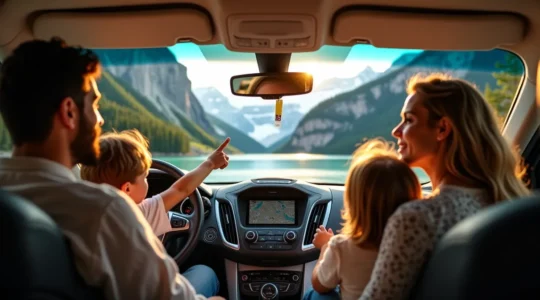
Your Alberta park pass is more than an entry fee; it’s a direct and transparent investment in the conservation and services you experience. National Park fees fund federal sites like Banff, while the Kananaskis Pass funds provincial land; they are…
Read more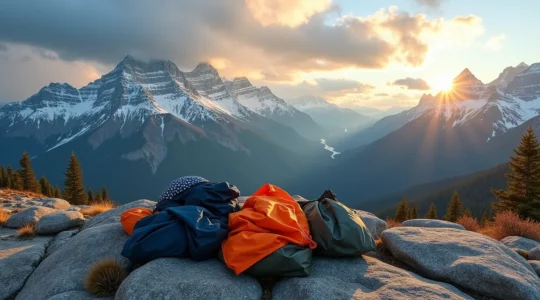
Packing for Alberta’s volatile weather isn’t about bringing everything; it’s about building a smart, modular gear system that adapts to any condition. Your clothing should be a three-part system (base, mid, shell) that you can adjust for any environmental trigger,…
Read more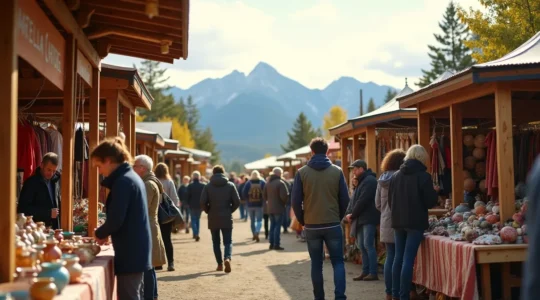
Supporting local in Alberta is not just a preference; it’s a strategic investment in the province’s economic sovereignty and cultural survival. Your spending directly addresses the staff housing crisis, ensuring the people who serve you can afford to live in…
Read more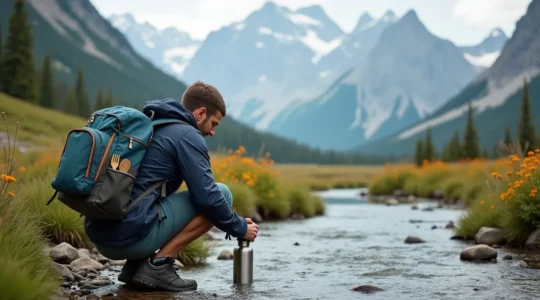
In summary: Effective zero-waste travel in Alberta is not about personal perfection, but about understanding and using the region’s specific conservation systems. Simple choices, like drinking tap water and using designated recycling bins, are highly effective due to robust local…
Read more
The real difference between Banff and Canmore isn’t the sticker price—it’s the hidden “friction costs” that impact your total vacation investment. Banff offers unparalleled access-at-a-price, but you’ll pay a premium in dollars and time for parking, dining reservations, and navigating…
Read more
True safety during the Alberta elk rut isn’t just about the 30-metre rule; it’s about learning to read the entire landscape’s story. Recognizing subtle behavioural cues and landscape signs is far more effective for safety than reacting to obvious threats….
Read more
For a 5-day trip, Day Passes are almost always cheaper for a single family, but the Discovery Pass becomes the better value if your trip extends to 7 days or more. A Family/Group Day Pass costs $22.00 per day, totaling…
Read more
The question isn’t what you can take, but why you must leave everything as you found it; understanding the legal and ecological framework is the only way to avoid severe penalties. Infringing on park rules isn’t just “breaking a rule,”…
Read more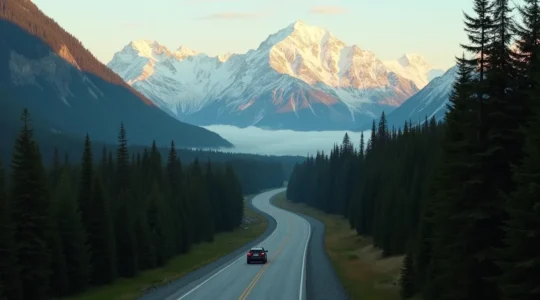
A successful $4,000 CAD family road trip in Alberta isn’t about finding last-minute deals; it’s about mastering the logistical arbitrage of time, distance, and season before you even leave home. The timing of your visit (May vs. September) has a…
Read more