
Unveiling iconic wilderness vacations of Alberta Canada
Between Canadian Rocky Mountains peaks and vast badlands, this province offers authentic sanctuary where protected nature meets rich cultural heritage.
Territories carved by ancient glaciers and time
Protected natural splendor
Navigating diverse regions and national parks of the Province

The terrain shifts from west to east. High alpine Banff environments, dominated by icefields and turquoise lakes, transition to rolling foothills. These areas serve as vital corridors for wildlife migration before flattening into fertile agricultural plains near Edmonton that stretch toward the horizon.
Northward, the landscape transforms into dense boreal forest, a vast ecosystem of wood buffalo and wetlands under Northern Lights. Southeast, the terrain opens into arid Canadian Badlands, revealing striated canyons and wind-sculpted hoodoos near Drumheller that tell a geological story millions of years old.

– 01
Immersing senses in the heart of the Canadian Rockies
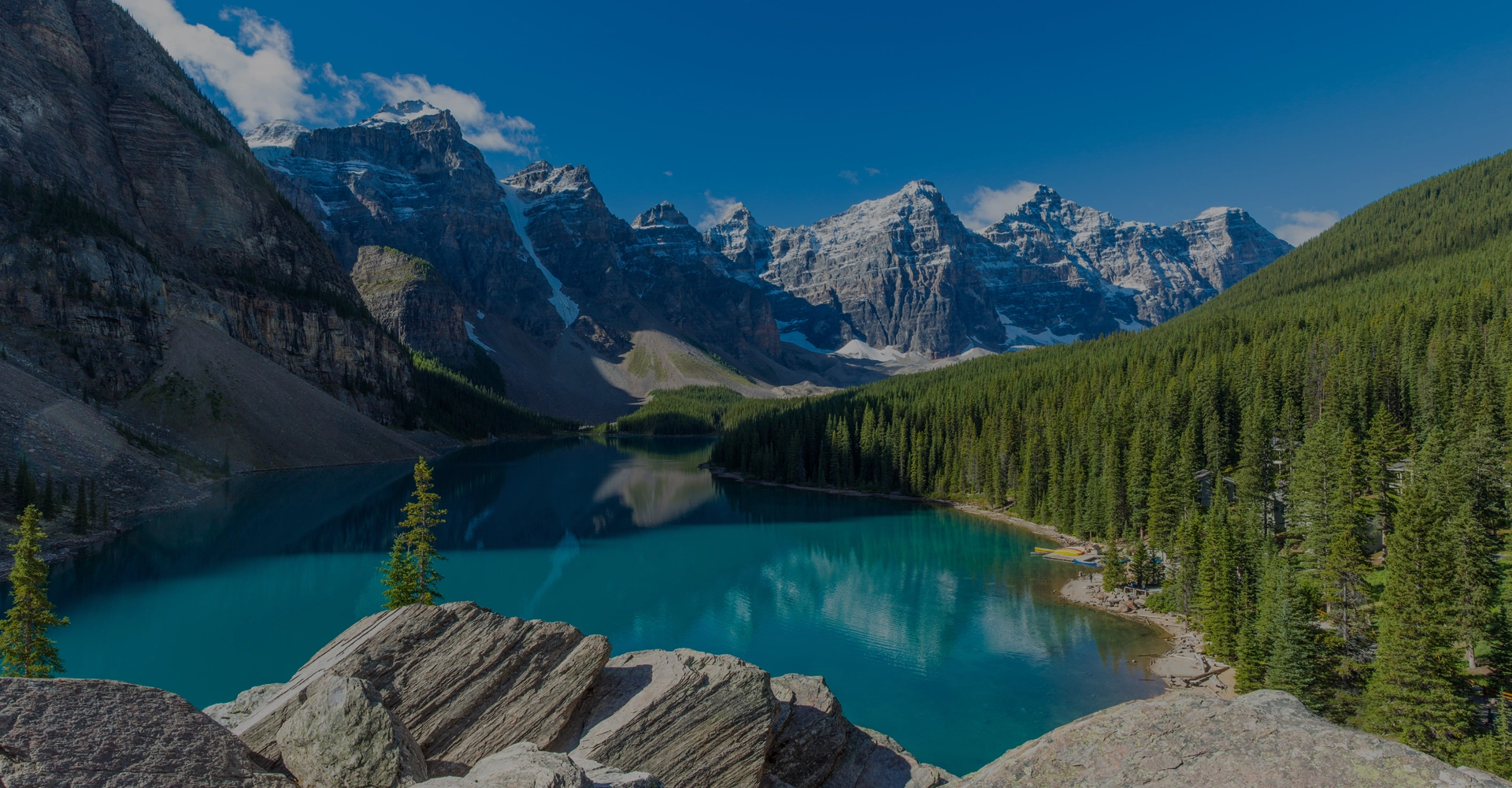
Turquoise Lake Louise waters and towering peaks define quintessential mountain adventures.
Explorers start at glacial Moraine Lake, where water reflects summits like a mirror. Beyond views, the adventure involves traversing high-altitude passes, breathing crisp alpine air, and witnessing elk grazing quietly in mountain meadows just moments away from resort civilization.
– 02
Echoes of First Nations heritage and ranching history
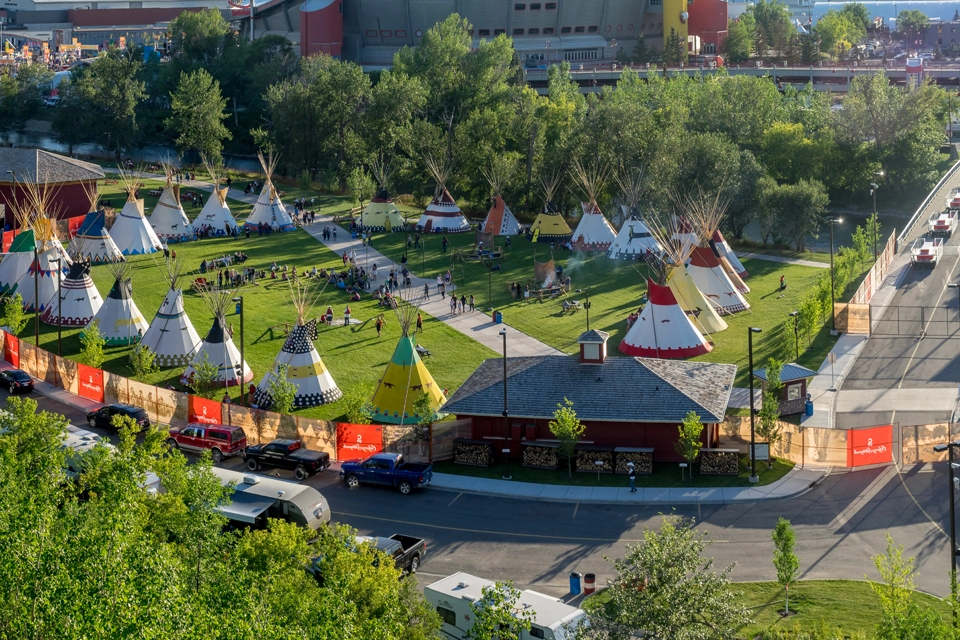
Ancient oral histories blend with the rugged legacy of Calgary Stampede life.
Generations of Treaty 7 communities maintained deep spiritual connection to this land, preserved through Powwow dance and storytelling. Concurrently, open range legacy thrives in foothills, where working guest ranches practice sustainable cattle herding techniques established by early settlers in the region.

– 03
Savoring the culinary bounty of prairies and mountains
Local farm-to-table ingredients transform into masterpieces reflecting regional terroir.
The climate favors production of high-quality grains and Alberta Beef known worldwide for texture. Chefs in Edmonton innovate by incorporating Saskatoon berries, bison, and vegetables into modern dishes, creating gastronomy that honors the short growing season and soil richness.
Driving through scenic routes of contrast and beauty
Road trips are immersive journeys through changing geology, linking alpine heights to valleys through scenic highways. Each mile reveals landscape shifts, from winding mountain passes carved into cliffs to vast plateaus where horizons stretch endlessly. Travelers experience slow self-drive transitions between ecosystems, climates, and colors, making every route feel like outdoor exploration rather than a commute.
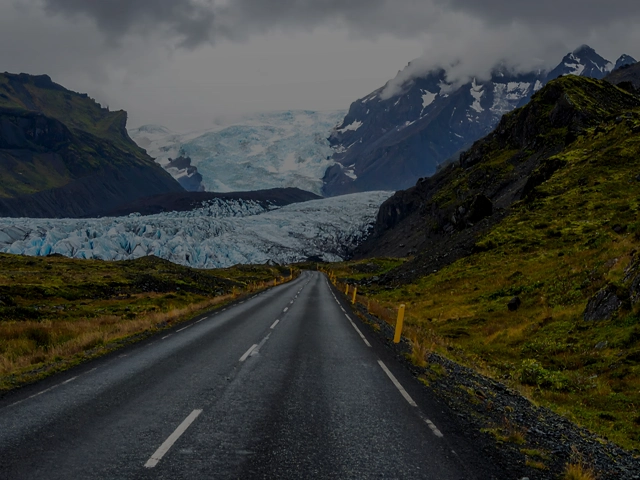
The legendary Icefields Parkway Route
This stretch winds past one hundred ancient glaciers and Athabasca Falls, offering unparalleled views of the majestic continental divide.
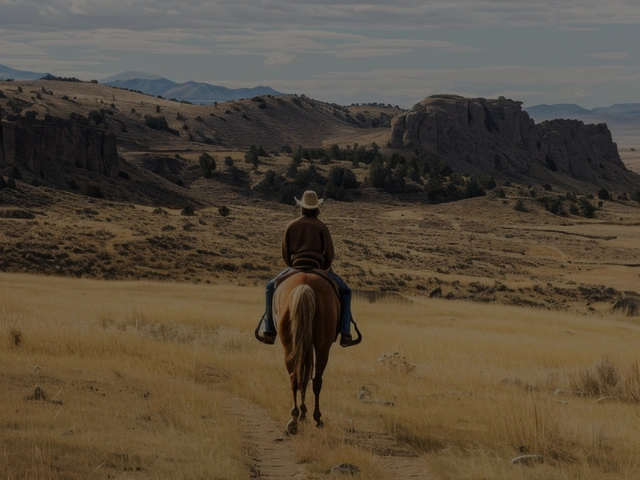
Exploring The Historic Cowboy Trail
Hugging eastern mountain slopes, this path reveals historic barns, authentic horseback riding trails, and enduring spirit of the Western heritage.
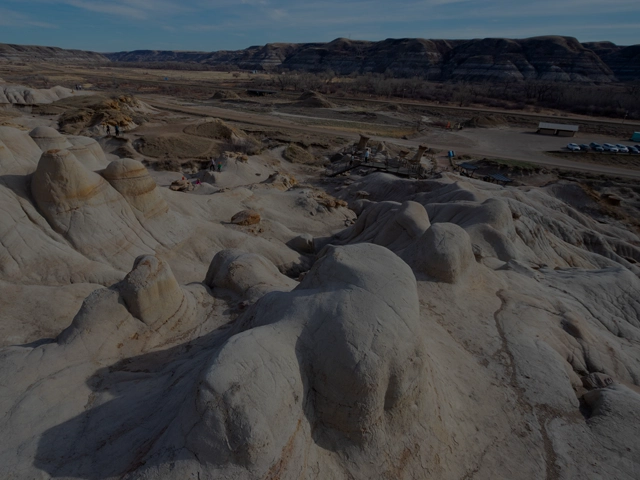
The Badlands Dinosaur Trail Loop
Descending into Red Deer River valley, drivers encounter prehistoric fossil beds and dramatic sandstone formations creating an otherworldly provincial park atmosphere.
Tracing millions of years of Badlands evolution
Before humans walked these valleys, dinosaurs roamed lush forests covering the area. Fossilized remains found in Royal Tyrrell Museum provide a direct window into the Cretaceous period. Today, conservation ensures these paleontological treasures and surrounding wilderness remain protected for future scientific study and appreciation.
Responsible exploration of sustainable spaces
Preserving fragile ecosystems requires conscious travel, strict adherence to park regulations, and commitment to maintaining safe distance from wildlife habitats. It means understanding long-term impact of small actions — staying on marked trails to protect delicate vegetation, minimizing noise to avoid disturbing animal behavior, and respecting seasonal access restrictions safeguarding breeding grounds. Through mindful choices, visitors ensure these Albertan sanctuaries remain vibrant and resilient for generations to come.
Essentials for the Canadian traveler
Preparation ensures safety and enjoyment across seasons, as weather conditions in the province change rapidly regardless of the vacation time.
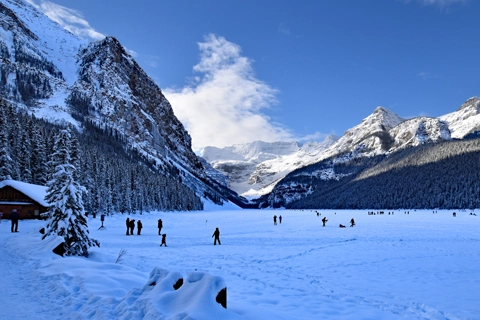
Seasonal winter and summer shifts
Winters bring heavy snow ideal for alpine skiing, while summers offer long daylight hours perfect for extended backcountry hiking.
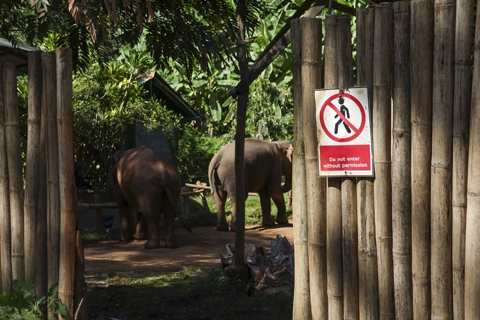
Wildlife encounter safety rules
Maintaining safe distances from grizzly bears and elk is crucial for visitor well-being and animal preservation.
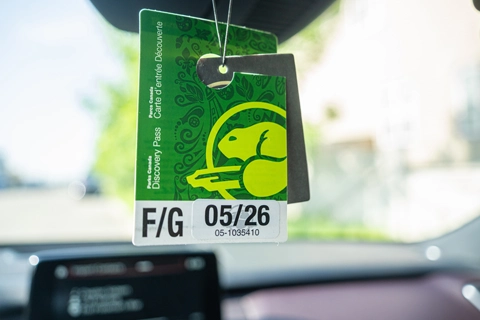
National Park pass requirements
Accessing national and provincial parks necessitates valid Discovery permits to support conservation maintenance and facility upkeep.